
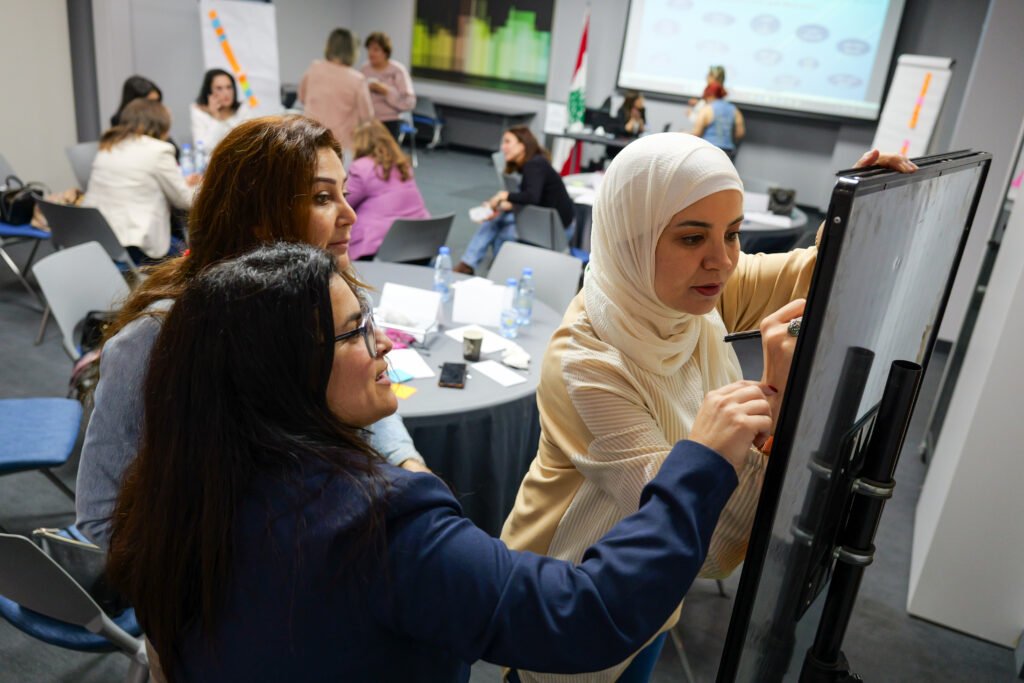
 This write-up highlights the work of the Collective for Research and Training on Development – Action (CRTD.A), in Lebanon, Tunisia, and Palestine, supported through the Power Up! programme, in. As I traced these experiences, I found that the story does not sit neatly as a narrative of impact alone. Instead, it raises critical questions about power, solidarity, strategy, and responsibility in a time of escalating crisis and shrinking civic space. I offer these reflections not as answers, but as provocations—an invitation to collectively interrogate what the current socio-political moment demands of those working toward greater equality globally.
Over the course of the Power Up! programme (2021-2025), a five-year strategic partnership funded by the Dutch Ministry of Foreign Affairs, CRTD.A implemented projects in Lebanon, Tunisia, and Palestine—contexts marked by political instability, economic precarity, shrinking civic space, active conflict, and genocidal repression. Across these settings, feminist organising has not only been necessary but increasingly constrained, with women’s rights actors facing limited funding, restricted mobility, backlash, and heightened risks.
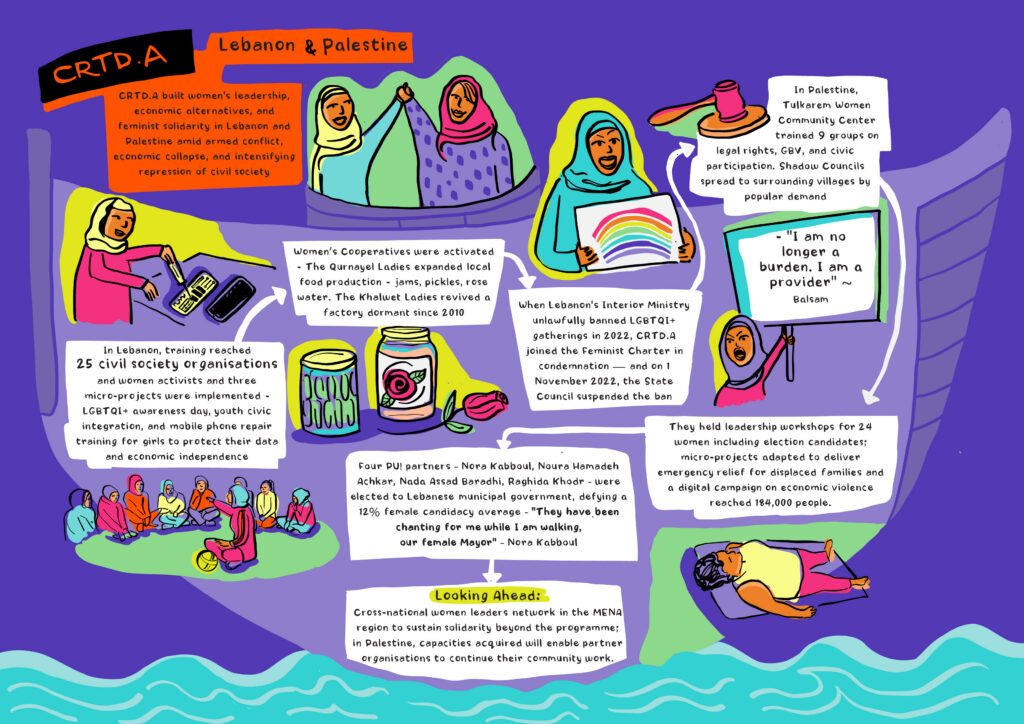
Graphic recording of CRTD.A journey through Power Up! by Nzilani Simu
I am struck by the tension between urgency and endurance—what does it mean to sustain feminist organising in contexts where survival itself is under threat? And how do we, as practitioners, hold together immediate humanitarian response with longer-term commitments to structural transformation?
In Palestine, ongoing violence and decades-long occupation have profoundly shaped women’s access to safety, livelihoods, and political participation. In Lebanon, the economic collapse and escalation of conflict since 2024 intensified humanitarian needs and exposed structural inequalities. In Tunisia, once considered a regional leader in women’s rights, a regressive political climate has seen increasing repression and shrinking freedoms for feminist actors.
These shifting geopolitical realities do not simply form the backdrop to feminist work—they actively reshape what is possible. They prompt deeper reflection: how do feminist movements adapt their strategies when civic space is systematically eroded? And what forms of resistance remain when visibility itself becomes a risk?
It is within these intersecting crises that CRTD.A’s work must be understood: not simply as programme delivery, but as sustained feminist movement-building under pressure.
Building Power: From Skills to Feminist Consciousness and Leadership
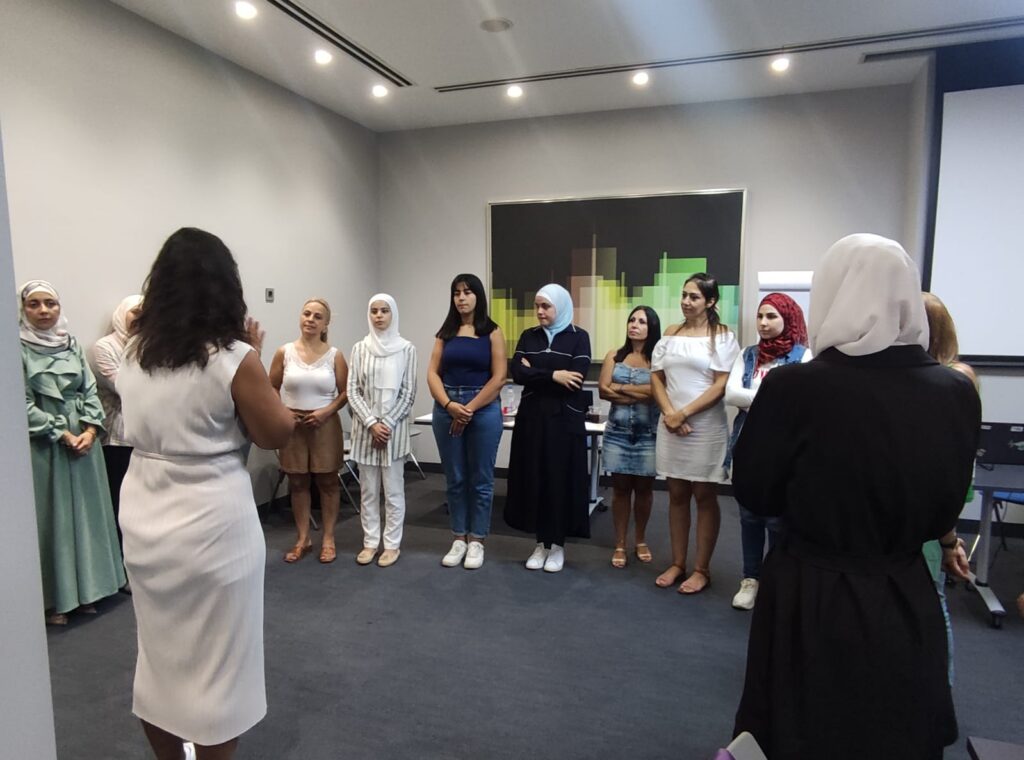
Across the three countries, CRTD.A’s work has contributed to significant shifts at individual and collective levels, with women demonstrating increased leadership, advocacy skills, and participation in decision-making processes.
Through long-term engagement—including leadership training, feminist reflection spaces, and participatory learning processes—women developed not only technical capacities but also the confidence and political consciousness needed to organise, mobilise, and advocate for equitable policies. In Lebanon, this trajectory is particularly visible, where women supported through the Power Up! programme moved from training spaces into public life, contesting and winning municipal elections.
This movement—from participation to power—feels significant. Yet it also raises a familiar question: what does it actually take for capacity-building efforts to translate into shifts in power, and how often does feminist organising and mobilising work fall short of enabling that transition?
At the same time, women’s rights organisations (WROs) and civil society actors strengthened their capacities to design and implement feminist agendas, thereby contributing to the strengthening of the broader ecosystem. Across contexts, feminist spaces created through the Programme enabled women to challenge internalised norms, build collective identity, and reposition themselves as political actors.
There is something critical here about consciousness—not just skills—as the foundation of change. How might our work shift if we centred this more intentionally?
Mobilising Power: Feminist Solidarity as Strategy and Survival
Over time, CRTD.A’s work evolved from capacity-building to the cultivation of feminist networks as infrastructures of solidarity and action. Strengthened collaborations among WROs and civil society actors enabled broader movement-building efforts, while informal networks became critical mechanisms for mutual support and collective organizing.
What becomes clear is that solidarity is not incidental—it is built, practiced, and sustained. This invites reflection on how often our Programmes treat collaboration as an output, rather than investing in it as the very infrastructure that makes movements possible.
In Lebanon, the 2024 crisis and subsequent escalation of conflict saw feminist organisations rapidly adapt their roles, providing humanitarian aid, coordinating relief efforts, and advocating for gender-responsive crisis policies. Women leaders mobilised through existing networks—often through informal channels such as WhatsApp groups and community-based coordination—demonstrating the agility and resilience of feminist organising in times of crisis.
In moments like these, feminist leadership takes on a different texture—more immediate, more relational, more grounded in care. It raises the question: what does leadership look like when the conditions demand both political clarity and collective survival?
In Palestine, community-based structures such as women’s centres and shadow councils created sustained spaces for organising, advocacy, and collective reflection, even amid severe restrictions. These spaces functioned as both political platforms and sites of protection, where women could gather, strategize, and support one another.
Across contexts, feminist solidarity extended beyond formal programme activities, becoming a daily practice of care, coordination, and resistance. This included sharing resources, supporting displaced communities, and sustaining activism despite backlash, fatigue, and risk.
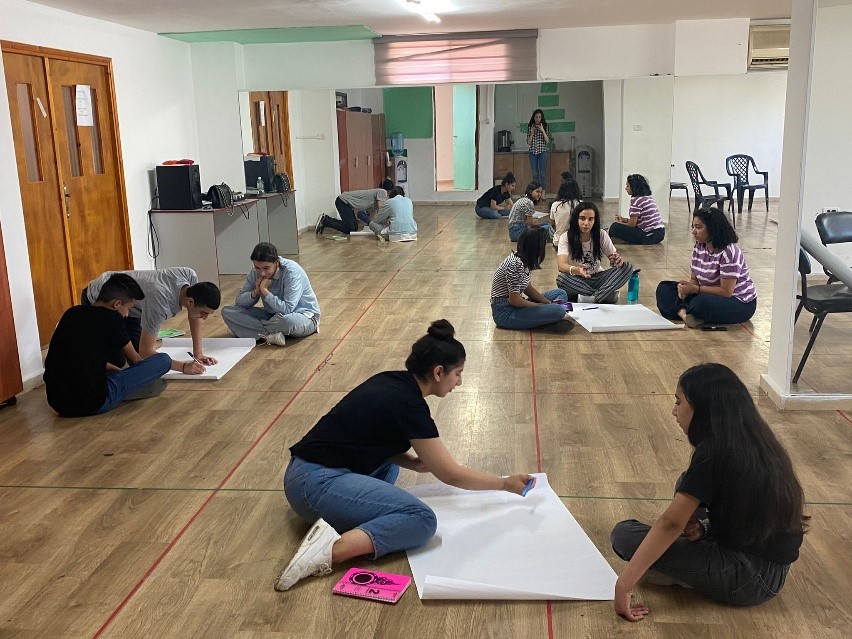
Session in Palestine – Ettijah group
These practices are often invisible in formal reporting, yet they are foundational. What would it mean to more fully recognise—and resource—care, trust, and relationality as central to movement-building?
Transforming Power: Shifting Narratives, Economies, and Possibilities
CRTD.A’s work has also contributed to transforming power by challenging dominant narratives, supporting feminist advocacy, and advancing economic alternatives.
Across the region, women increasingly used their voices to engage in public discourse, raise awareness of gender inequality, and challenge deeply entrenched social norms—speaking openly about previously silenced issues, confronting discriminatory practices such as vote-buying and labour exclusion, and asserting that “their voice matters” within a broader feminist movement. Advocacy campaigns reached hundreds of thousands of people, opening space for dialogue on issues such as economic violence, political exclusion, and gender-based discrimination.
What feels significant here is not only the amplification of voices, but the shifting of what can be said, heard, and contested. It prompts a deeper question: what does it take to shift the underlying narratives that define what is considered normal, acceptable, or possible?
At the same time, women-led economic initiatives created alternative pathways to financial independence and resilience. These included cooperatives, micro-projects, and informal solidarity economies, which improved access to resources while strengthening collective agency.
And yet, these efforts often operate within systems that remain fundamentally unequal. How might feminist economic alternatives move beyond coping mechanisms toward challenging and transforming the structures that produce inequality in the first place?
In Tunisia, intergenerational programmes led by partners such as Kadirat combined vocational training, dialogue, and policy engagement, enabling women—particularly older women—to gain recognition, income, and a stronger voice in local decision-making processes.
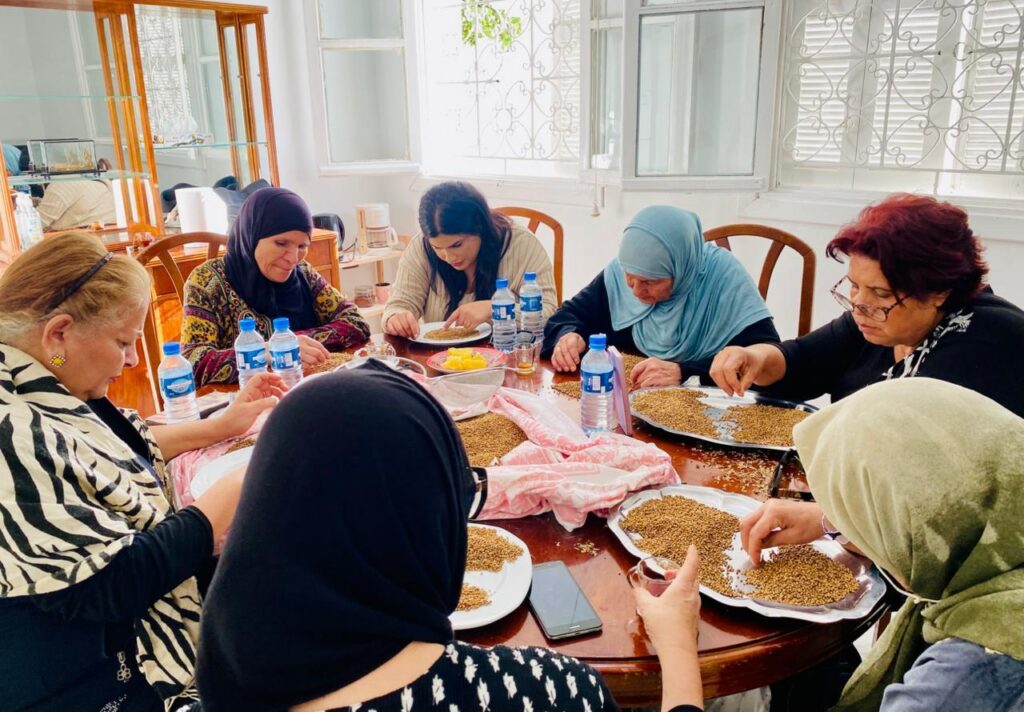
Kadirat
In Palestine, feminist enterprises and cultural initiatives provided both livelihoods and platforms for expression, allowing women to document their experiences, process trauma, and engage in advocacy despite ongoing conflict.
Taken together, these efforts suggest that economic empowerment, healing, and political voice are deeply interconnected. What might it look like to hold these not as separate strands of work, but as part of a single, integrated feminist strategy?
Intergenerational and Collective Transformation
A defining feature of CRTD.A’s approach has been its emphasis on intergenerational learning and collective transformation. By creating spaces where older and younger women could exchange knowledge, skills, and experiences, the programme fostered both continuity and innovation within feminist movements.
In Tunisia, for example, intergenerational dialogues enabled older women to reclaim traditional knowledge as a source of identity and economic empowerment, while younger women gained traditional skills and a renewed connection to cultural heritage.
Across the contexts in which CRTD.A and their partners worked, these processes strengthened social cohesion, reduced isolation, and reinforced a shared sense of purpose. Women reported feeling more valued, more connected, and more capable of contributing to their communities as active citizens.
This raises a quieter but important reflection: how do we hold intergenerational work in ways that honour knowledge across time, without flattening difference or overlooking power dynamics within movements themselves?
Navigating Constraints: Structural Barriers and Feminist Resistance
Despite these gains, women-led initiatives continue to face structural barriers. Across all three countries, feminist movements continue to contend with limited financial resources, lack of institutional support, and persistent marginalisation of women’s contributions.
Yet, these constraints have also underscored the importance of sustained, collective approaches. Feminist actors have adapted by leveraging informal networks, creating safe spaces, and maintaining advocacy efforts, even in restrictive environments.
Reflecting on all of this brings to light a broader question: what does meaningful solidarity from global actors look like in contexts where feminist movements are under-resourced, yet expected to carry so much?
A Feminist Ecosystem in Motion
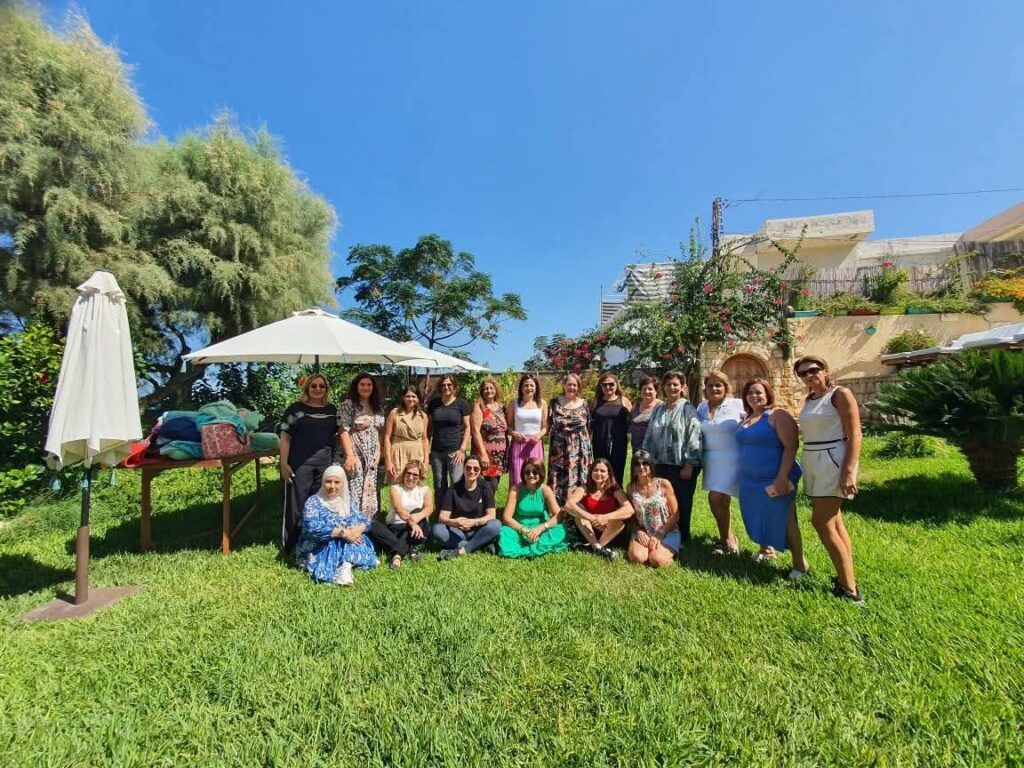
Over the course of the Power Up! programme, CRTD.A’s work has contributed to multi-level change:
- Women have increased their leadership, confidence, and political participation.
- Feminist organisations have strengthened their capacities and collaborations.
- Communities have experienced shifts in social norms, solidarity, and resilience.
- Women-led economic initiatives have expanded access to resources and autonomy.
Perhaps most significantly, the Power Up! programme has supported a shift from individual empowerment to collective power. Women are not only participating in activities—they are organising, mobilising, advocating, and shaping agendas within their communities and beyond.
This shift feels both hopeful and instructive. What would it take to more intentionally resource and sustain this move from individual to collective power—not only in this programme, but across movements globally?
This is a story of feminist movement-building that is adaptive, relational, and deeply grounded in context. It is a story of women who, despite crisis and constraint, continue to create spaces, build alliances, and reimagine power.
And perhaps this is where the story leaves us—not with answers, but with a shared responsibility. In a moment of global democratic backsliding and rising authoritarianism, what does this work ask of us?
Learn more about Power Up!