Our Reflections

At Gender at Work, we are committed to reflection as both a political and pedagogical act, using it to reveal insights, challenge assumptions, and adapt our practices. Our approach to learning is emergent: shaped by context, grounded in feminist values and open to the unknown. We see learning as both a method and a muscle: something strengthened through practice, vulnerability and shared reflection.

Learning from our AI Research and COVID journey: What does it take to have more inclusive and gender responsive AI-driven health research?

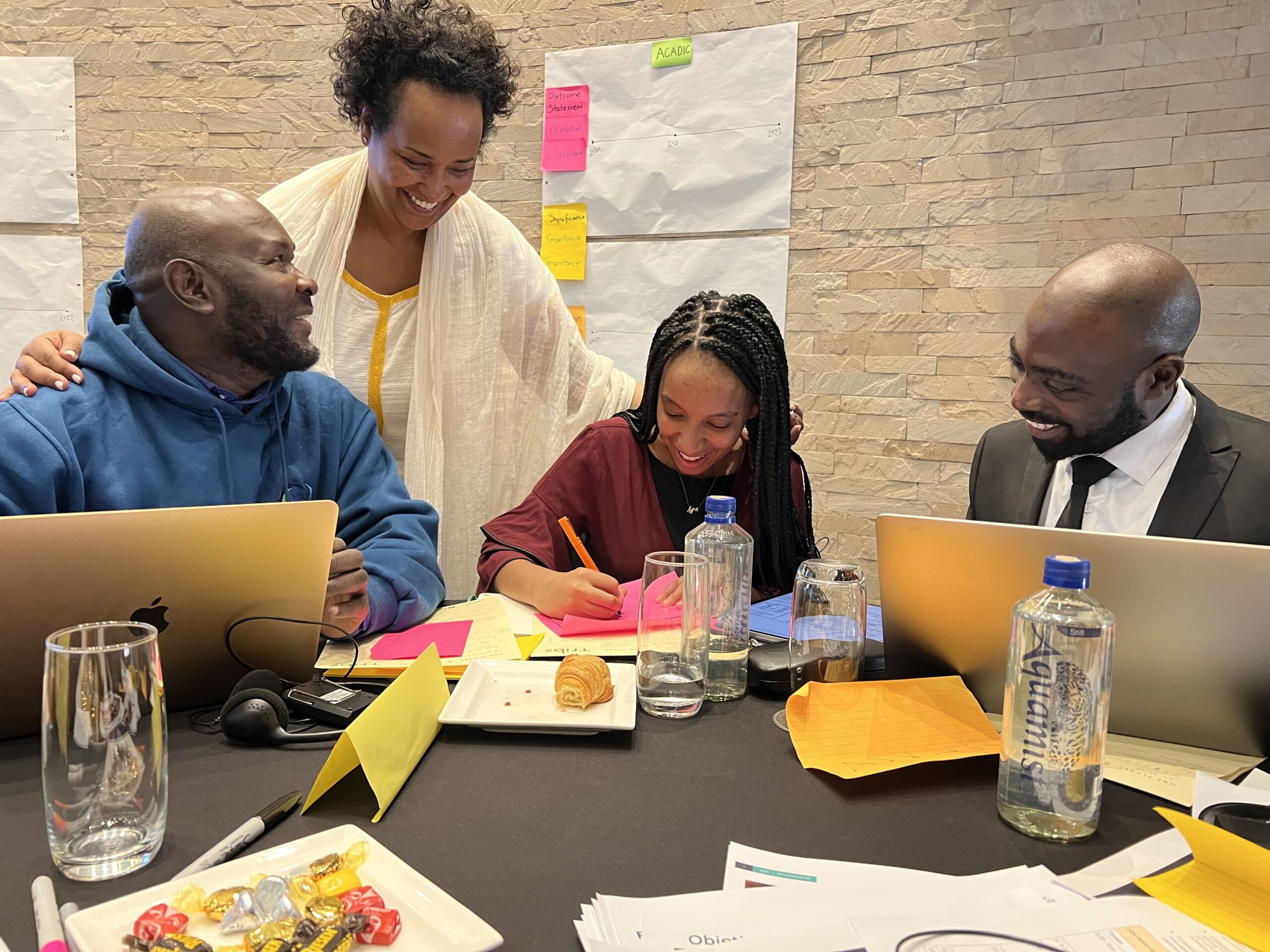
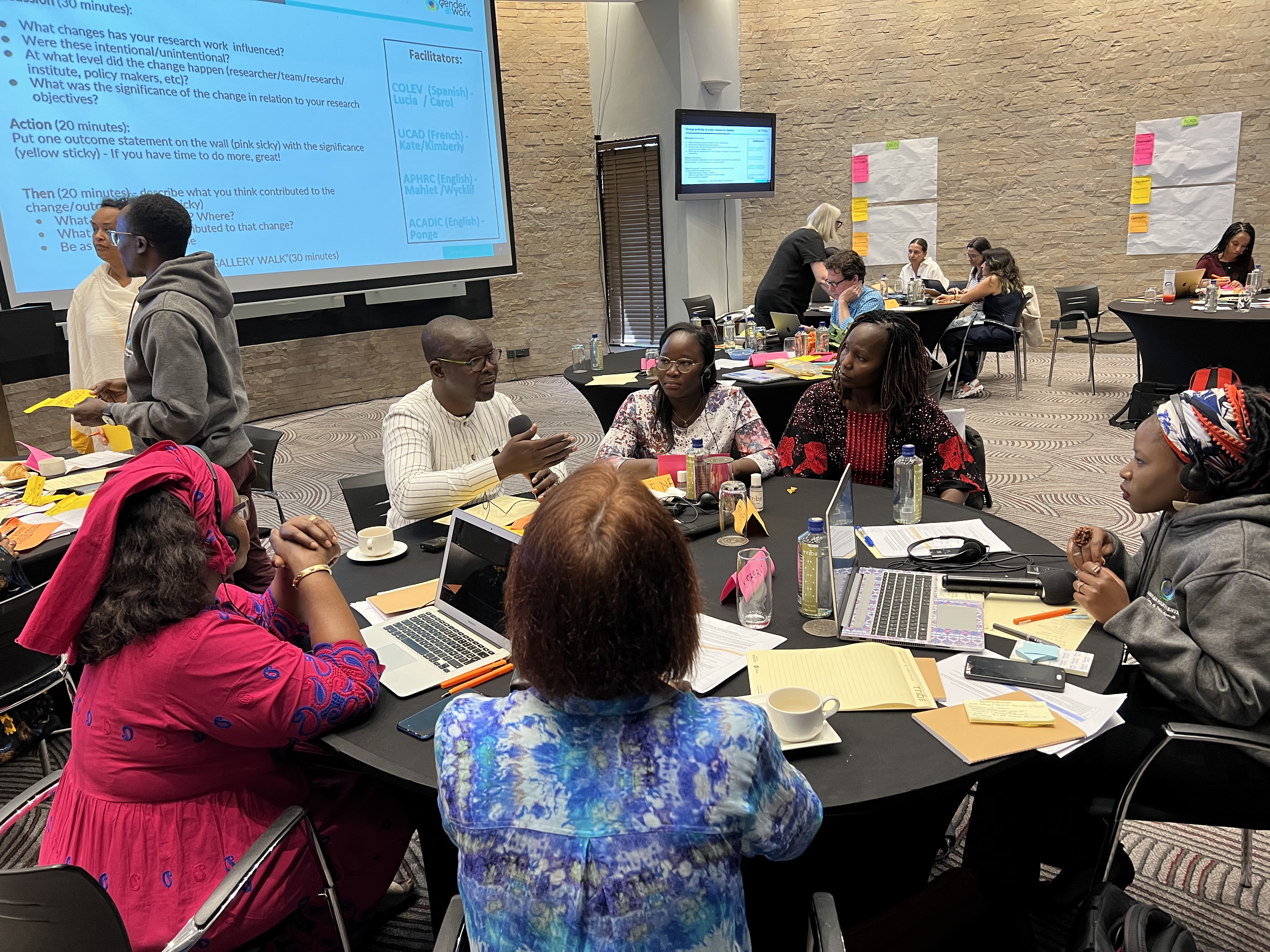
In this final blogpost of the AI Research and COVID: Journeys to Gender Equality and Inclusion series, Carol Miller and Marie-Katherine (Kate) Waller reflect on the key threads of this blog series that emerged from Gender at Work and research grantees’ collaboration in an 18-month gender action learning process in the AI4COVID program. They also highlight how researcher journeys, and the GAL process demonstrated the importance of creating safe spaces for learning and the value of multidisciplinary collaboration in supporting social transformation.
Le genre m’a collé à la peau: Intérêt de l’analyse genre dans une recherche sur l’IA

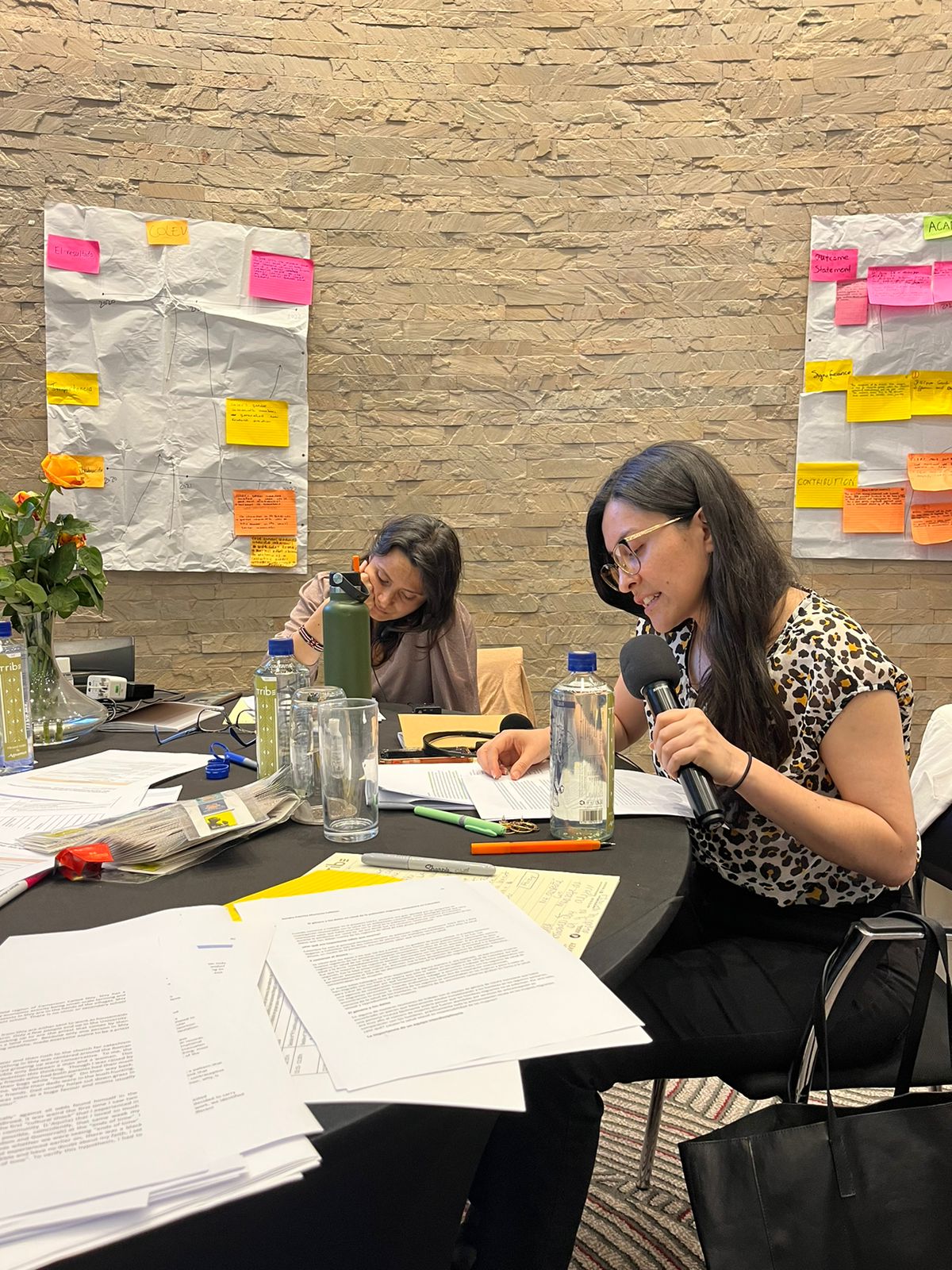
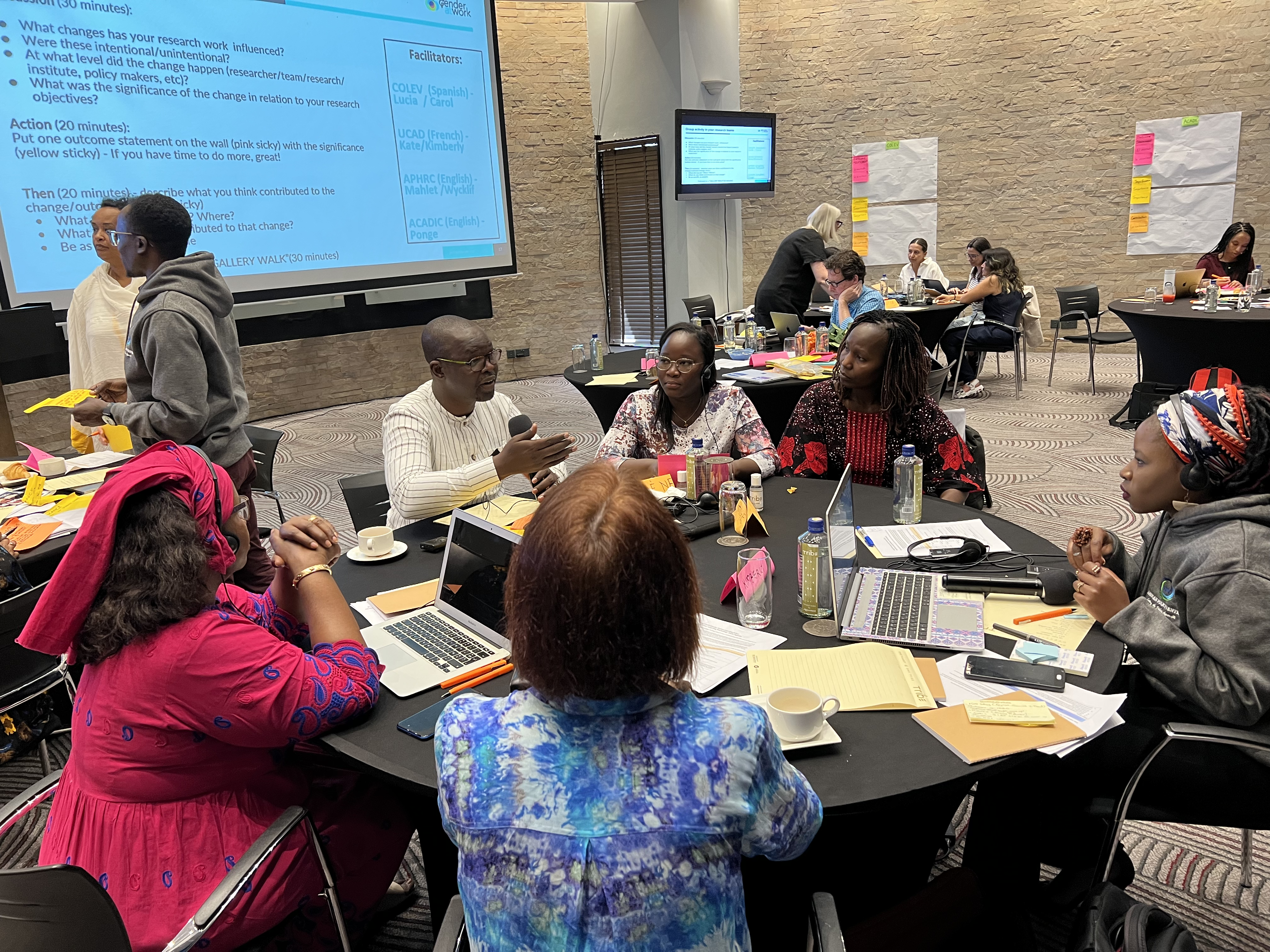
Dans le huitième blog de la série Recherche sur l’IA et COVID : voyages vers l’égalité des genres et l’inclusion), Tidiane Ndoye explique comment ses expériences ont nourri sa passion pour les questions de genre dans le domaine de la santé et son rôle en tant qu’expert principal en matière de genre dans le projet de recherche AI4COVID, Utilisation de l’intelligence artificielle pour lutter contre le COVID-19 au Sénégal et au Mali.

Cook, Clean, Plan: A case for more gender-responsive policymaking

In the third blog post of the AI Research and COVID: Journeys to Gender Equality and Inclusion series, Michelle Mbuthia discusses her personal experience of gender inequality and unfair distribution of domestic labor during the Christmas season in Kenya, and the need for candid discussions and collective efforts to challenge and change traditional gender norms and create a more equal society.

Are women programmed to think less and do more?

In the second blog post of the AI Research and COVID: Journeys to Gender Equality and Inclusion series, Meghan Malaatjie reflects on the gender norms she learned in childhood, her personal experiences with these norms, and the impact on her career, and aspirations to address gender inequalities as a public health professional.